
StubHub Spent $3.4 Million to Kill California's Ticket Resale Cap. It Worked.
AB 1720 would have capped resale at 10% over face value. One platform outspent almost everyone in the state to stop it.
· 4 min read
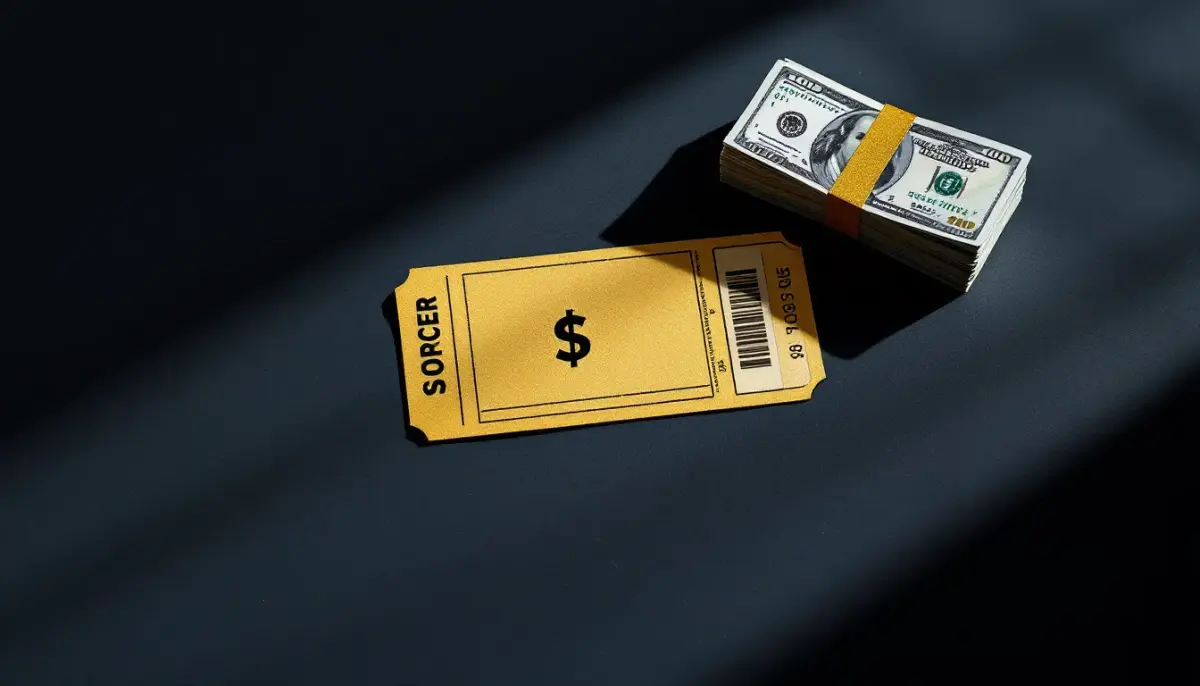
If you run a small venue, manage a touring act, or just watch this industry for a living, the math you should be staring at this week is brutal. One resale platform spent more money killing a single California bill than most independent labels earn in a decade. And it worked.
That is the real story behind AB 1720, the California Fans First Act, which failed to advance out of the state's Senate Appropriations Committee on August 13. The bill would have capped concert ticket resale prices at 10% above face value. It had backing from the National Independent Venue Association, the National Independent Talent Organization, the Music Artists Coalition, and, notably, Live Nation. It still lost.
It lost because StubHub treated the fight as a line item. The company spent $3.4 million opposing the legislation, according to Billboard, citing publicly available records first reported by The Hollywood Reporter. Its nearly $2.6 million in lobbying expenses between April and June made StubHub the second-largest lobbying spender in the state over that quarter, behind Pacific Gas & Electric, as Digital Music News reported, drawing on Capitol Morning Report figures.
Read that again. For one quarter, a ticket resale company outspent almost every utility, insurer, and tech giant operating in the largest state economy in the country. Not to build anything. To stop a law.
What the bill actually did (and didn't)
Here is the part that should sting. AB 1720 was not the sweeping reform its opponents pretended to fight. When Matt Haney (D-San Francisco) introduced it in February, it applied broadly. By the time it reached committee, the language had been stripped down to cover only independent venues with a capacity of 3,000 or fewer.

That amendment carved out exactly the arena and stadium shows where fans feel most gouged, as Billboard noted. The bill that died was the watered-down version. It targeted the small rooms, the clubs, the theaters. And StubHub spent $3.4 million to kill even that.
The business logic is not complicated. Platforms like StubHub, SeatGeek, and Vivid Seats make money on fees attached to resale transactions, per Digital Music News. A cap that pins resale to 110% of face value strangles the margin. So the fee, in effect, funds the lobbying that protects the fee. Free money is free money, and StubHub is not wrong to defend it. That is what companies do.
Why this is a template, not a footnote
The reason AB 1720 was watched so closely is that California is a bellwether. "California is one of the biggest concert markets in the country," NIVA executive director Stephen Parker told Digital Music News. "If California goes in terms of consumer protections around ticketing, we think the rest of the nation will soon follow."
That cuts both ways. If California can be stopped, the opposition now has a proof of concept: park millions in an appropriations committee, and a fan-protection bill never reaches a floor vote. No debate, no roll call, no fingerprints. The bill just quietly does not move.

The wins are real elsewhere. Maine, Vermont, and Washington, D.C. have all passed resale price cap laws, and Massachusetts is preparing its own version, dubbed The Great Divide Act after Noah Kahan's chart-topping album, according to Billboard. Kahan appeared alongside Governor Maura Healey to endorse it. Those states are smaller markets, though. What California showed is what happens when the target is big enough to matter and the opposition decides it is worth spending like it does.
The takeaway
Haney is not folding. "I'm going to keep working with the coalition of fans, artists, and venues," he said in a statement to Digital Music News, adding that the fight "isn't a fringe idea, and it isn't partisan." Music Artists Coalition head Ron Gubitz called the result "a disappointing outcome" and insisted "every fan at every show needs to be protected."
They are right on the merits. The problem is that being right on the merits is now demonstrably not enough. Music Ally floated the silver lining: if state bills keep stalling in committee, the pressure for federal reform may build. Maybe. But federal ticketing legislation has its own graveyard, and the lobbyists know the address.
The direct legislative remedy against scalping just got a price tag. In California, it was $3.4 million. Every state watching now knows the number they need to beat, and so does the company that set it.
Related: Olivia Rodrigo's Daisy Chain Festival Is the Live Industry's Freshest Blueprint
Related: The Suno Suit That Skips Copyright and Goes Straight for Your Name
Related: AEG and SeatGeek Ask a Judge to Kill the Live Nation Settlement
Related: Lil Durk Acquitted in Murder-for-Hire Trial, But the Racketeering Counts Are Still Loaded
Sources
The Newsletter
The music business, decoded.
Join industry professionals who read our briefing on deals, royalties, and the business behind the music. No noise, no spam.