Olivia Rodrigo's Daisy Chain Festival Is the Live Industry's Freshest Blueprint
Rodrigo built and sold out her own all-women festival, then closed with Stevie Nicks, Alanis, and Sarah McLachlan. Here's what that means for the live business.
· 4 min read

If you book festivals, promote tours, or manage a rising artist, here is the question worth sitting with this week: what happens when the headliner decides she doesn't need your festival brand at all?
For years the deal has been simple. A big act plays a legacy festival, the festival cashes in on the name, and both sides split the cultural credit. The promoter owns the brand. The artist rents it for a weekend. That arrangement just took a hit.
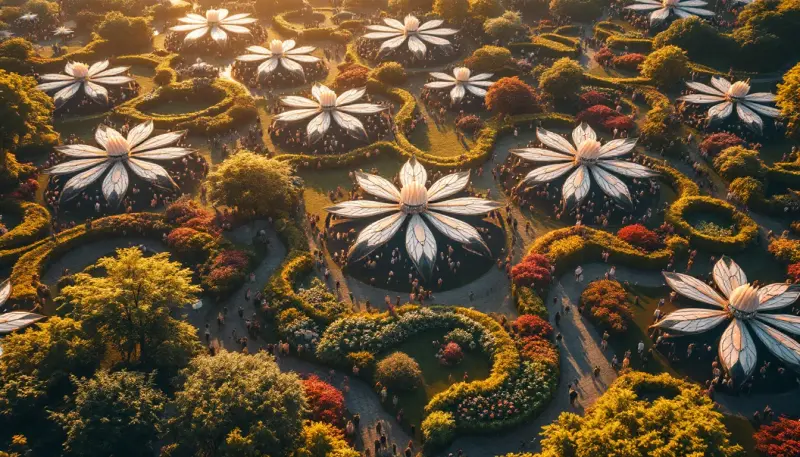
On Saturday night in Irvine, California, Olivia Rodrigo closed her own festival, Daisy Chain Fields, at the Great Park. Rolling Stone reported that she brought out Sarah McLachlan, Alanis Morissette, and Stevie Nicks as surprise guests during her headlining set. This was not a slot on someone else's lineup. It was her event, her name on the marquee, and her call on who joined her onstage.
Read the mechanics here, because they matter. The whole thing was built as an all-women festival inspired by Lilith Fair, the traveling festival McLachlan founded in the late Nineties, per Rolling Stone. So when McLachlan walked out to duet on "Building a Mystery" and "Angel," it was not just a legacy cameo. It was Rodrigo publicly claiming a lineage and positioning herself as the person carrying that torch forward. That is brand-building, not just booking.
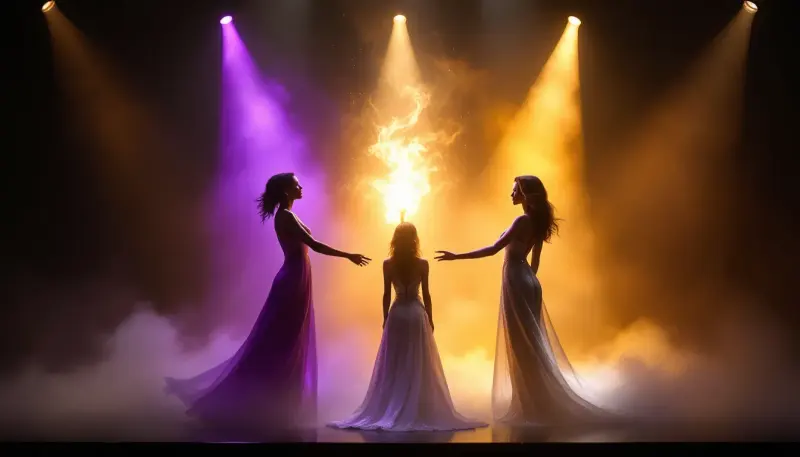
The other two guests sealed the multi-generational moment. Morissette stepped in for Karen O of the Yeah Yeah Yeahs, who had to withdraw, and tore through "Ironic," as Rolling Stone noted. Nicks and Rodrigo traded verses on "Landslide." Nicks told the crowd Rodrigo "reminds me of me" and said she was "awestruck that she could do all this," adding, "it's so hard, you have no idea, putting this together with all of these people."
Notice what Nicks put her finger on. The hard part is not the singing. It is the putting-together. And Rodrigo did the putting-together herself.
Why This Is a Blueprint, Not a One-Off
Here is what the live business should take from Daisy Chain. An A-list artist with enough cultural leverage can now skip the legacy festival brand entirely and own the intellectual property outright. When you own the festival, you own the name, the sponsorship inventory, the future editions, and the story. You are no longer a line item on AEG's or Live Nation's balance sheet. You are the promoter.
That flips the usual value split. In a traditional festival deal, the promoter captures the long-term equity of the brand and the artist captures a fee. Rodrigo captured both. She got the career-defining closing set, and she owns whatever Daisy Chain becomes next year and the year after.
There is a philanthropic angle that also functions as brand equity. Rolling Stone reported the festival donated $10 million to nonprofits benefiting women and girls. That is real money doing real good, and it is also a positioning move that a rented festival slot could never deliver. The cause is baked into the IP.
The three-icon closer, meanwhile, is exactly the kind of moment that drives streaming spikes and a full press cycle. A duet with Nicks on "Landslide" sends listeners back to the Fleetwood Mac catalog. Morissette on "Ironic" reintroduces Jagged Little Pill to Gen Z. McLachlan's "Angel," dedicated to Dolly Parton, who died on Aug., tied the night to the biggest cultural mourning of the week. Every one of those threads is a search query and a playlist add.
What It Means for AEG, Live Nation, and the Independents
Do not overstate this. Rodrigo can pull it off because she has the cultural capital, the touring machine, and the relationships to get Nicks and Morissette to show up. Most artists cannot self-promote a sold-out festival, and the majors still control the venues, the ticketing pipes, and the operational muscle. Someone still processed those tickets. Someone still ran that park.
But the leverage math is shifting. The rise of artist-owned events sits alongside a live sector where global capital is and where Live Nation's dominance. The most valuable artists watching Daisy Chain now have a working proof of concept for keeping the brand upside for themselves.
For promoters, the smart response is not to fight it. It is to become the operator behind the artist's festival, taking a service fee while the artist takes the brand. For independents, Daisy Chain is a reminder that IP ownership, not just booking, is where the durable money lives.
The festival poster used to be the brand. On Saturday in Irvine, the headliner was the brand. Everyone else was a guest.
Related: The Suno Suit That Skips Copyright and Goes Straight for Your Name
Related: AEG and SeatGeek Ask a Judge to Kill the Live Nation Settlement
Related: Lil Durk Acquitted in Murder-for-Hire Trial, But the Racketeering Counts Are Still Loaded
Sources
The Newsletter
The music business, decoded.
Join industry professionals who read our briefing on deals, royalties, and the business behind the music. No noise, no spam.