
Dolly Parton Is Exploring Avatar Performances, and It Could Redraw the Legacy Artist Playbook
Dolly Parton says she is exploring avatar performances. That hands the virtual-show industry its biggest name yet, and raises hard questions about live economics.
· 4 min read
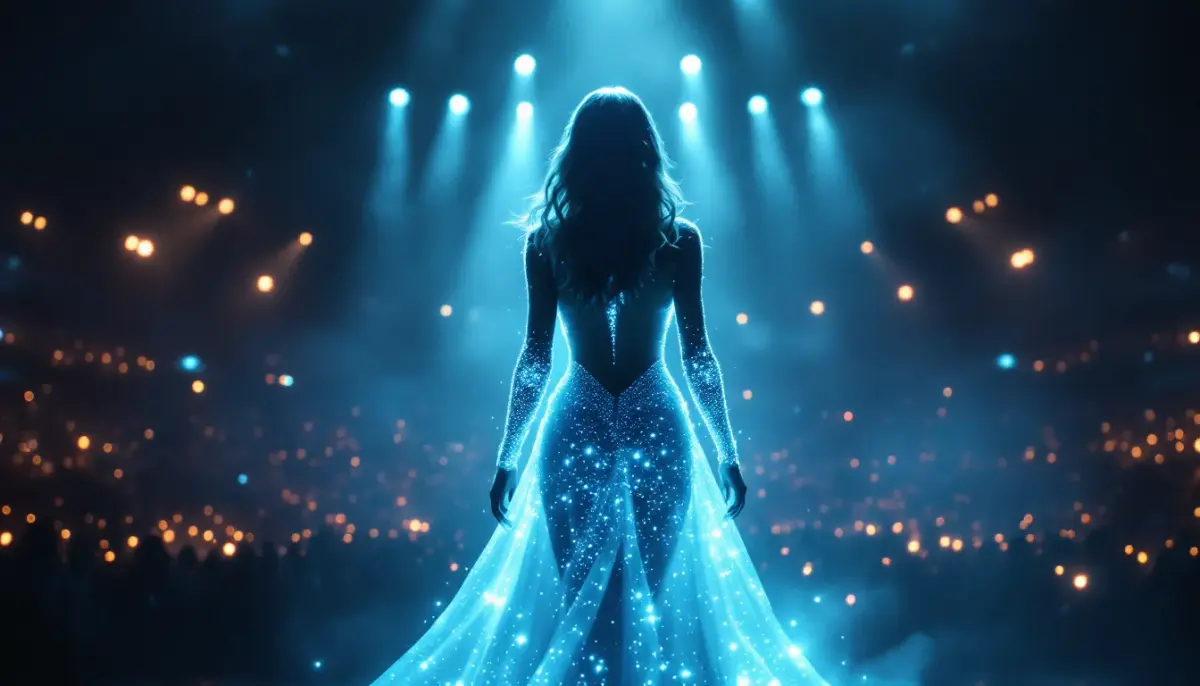
If you build a career, or a business, around legacy artists filling arenas, you have been quietly doing the math for years. The biggest touring names are aging. The bodies give out before the demand does. So what happens to the catalog, the crew payroll, the promoter guarantees, and the merch table when the artist can no longer stand on a stage?
You just got a preview of the answer, and it came from the most beloved name in country music.
Dolly Parton has said she is exploring "avatar performances," a way to keep giving fans live experiences after a run of serious health problems. In an interview with People, Parton said she and her team have been working with companies that create these performances, though she stressed the ideas are still in the "early stages of development," as NME reported. She did not spell out exactly what kind of avatar she has in mind.
The context matters. Parton was forced to cancel her Las Vegas residency at The Colosseum at Caesars Palace back in May, after first postponing the run last October, NME noted. She has been open about the toll of grief since her husband Carl Dean died last March after 58 years of marriage, saying earlier this year that she felt "worn down and worn out."
So this is not a gimmick pitch. It is a health-driven pivot from a living artist who wants to keep working when her body will not let her tour the old way. And that distinction is the whole story.
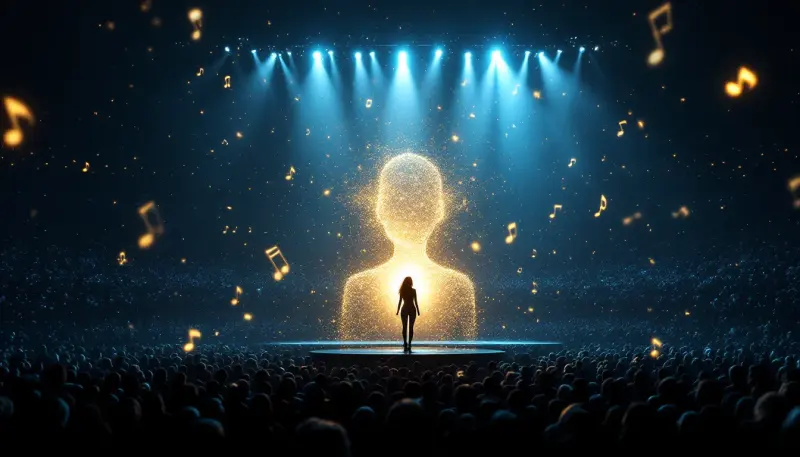
Why this name changes the conversation
The avatar-performance industry already has customers. The estate of Ozzy Osbourne, who died last summer at 76, enlisted tech company Hyperreal to build a digital version of him, per NME. That announcement split fans fast, with plenty calling it a "cash grab." Sharon Osbourne fired back that she "doesn't need your fucking money," and Jack Osbourne went on YouTube promising the family would keep it "tasteful" and not "lame."
Notice the difference. The Ozzy project is a posthumous resurrection. Parton is alive, lucid, and choosing this herself. That is the proof-of-concept the sector has been waiting for. It is much harder to call something a cash grab when the artist is the one signing off, still around to defend it, and doing it because touring is physically off the table.
Parton also happens to rank among the most popular public figures in America right now, per NME. If avatar shows can survive the scrutiny attached to her name, they can survive almost anyone's. Promoters, investors, and virtual-show infrastructure builders know that. Expect the phone calls to start.
The business questions nobody has answered yet
Here is where it gets uncomfortable for the rest of us. A live show is a settled economic machine. A ticket sale splits between artist, promoter, venue, and platform. Merch has its own cut. Catalog royalties run on a separate track entirely. An avatar performance scrambles all of it.
Who owns the avatar? Is a virtual show a "performance" that triggers the usual live splits, or a licensed digital product closer to a sync deal? When there is no physical Dolly to insure, no band to fly, no bus to fuel, the cost structure collapses. That should mean fatter margins. The open question is who captures them: the artist, the tech vendor, or the promoter who owns the room.
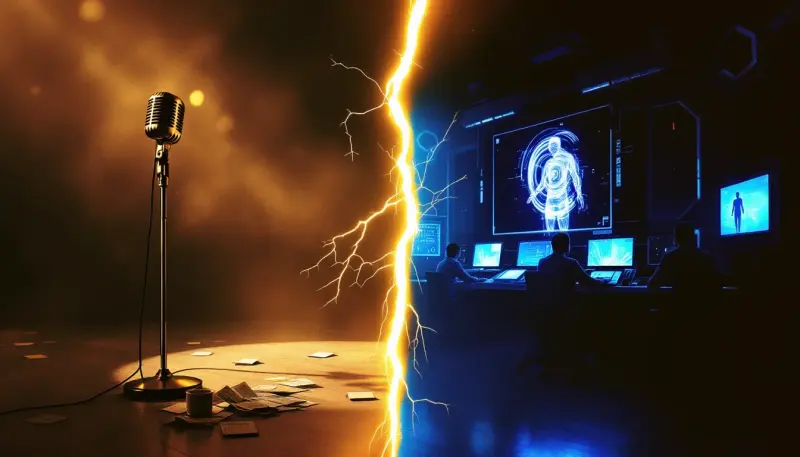
And it lands at a loaded moment. The industry is mid-argument over where the human-AI line gets drawn. Apple is preparing to label AI tracks. Universal has shifted from suing AI companies to licensing AI patents. The whole business is deciding how much machine is too much machine on a record. An avatar tour forces the same question onto the stage.
What to actually watch
Parton has given us intent, not a product. No vendor named, no dates, no ticket model. Treat it as a signal, not a launch.
But signals from names this size move capital. If you are a manager with an aging star client, the avatar conversation is now something you have to be able to discuss without flinching. If you run a venue or a promotion shop, virtual-show capability is about to become a competitive line item. If you hold a catalog, the value of that catalog may soon include the right to perform it forever, with or without a heartbeat behind the mic.
The comforting version of the future was that legacy artists eventually stop and the touring era ends with them. Dolly Parton just suggested the touring era might not need them at all. That is either a gift to fans who would never otherwise see her again, or the moment live music quietly stopped requiring anyone to show up. Probably both. The industry gets to decide which one it builds, and it is deciding right now.
Related: Dolly Parton's Estate Is Already Open for Business
Related: Suno Pulled a Mary J. Blige Ad She Never Approved. Here Is What That Means for Your Roster.
Related: Celine Dion's Paris Comeback Just Answered the Question Every Booker Was Afraid to Ask
Related: Cheetah Chrome Is Gone, and the Punk Anniversary Machine Just Lost an Architect
Sources
The Newsletter
The music business, decoded.
Join industry professionals who read our briefing on deals, royalties, and the business behind the music. No noise, no spam.