Suno Pulled a Mary J. Blige Ad She Never Approved. Here Is What That Means for Your Roster.
Suno ran a Mary J. Blige ad based on a deal with someone who was not her rep. The consent failure should worry every manager.
· 4 min read
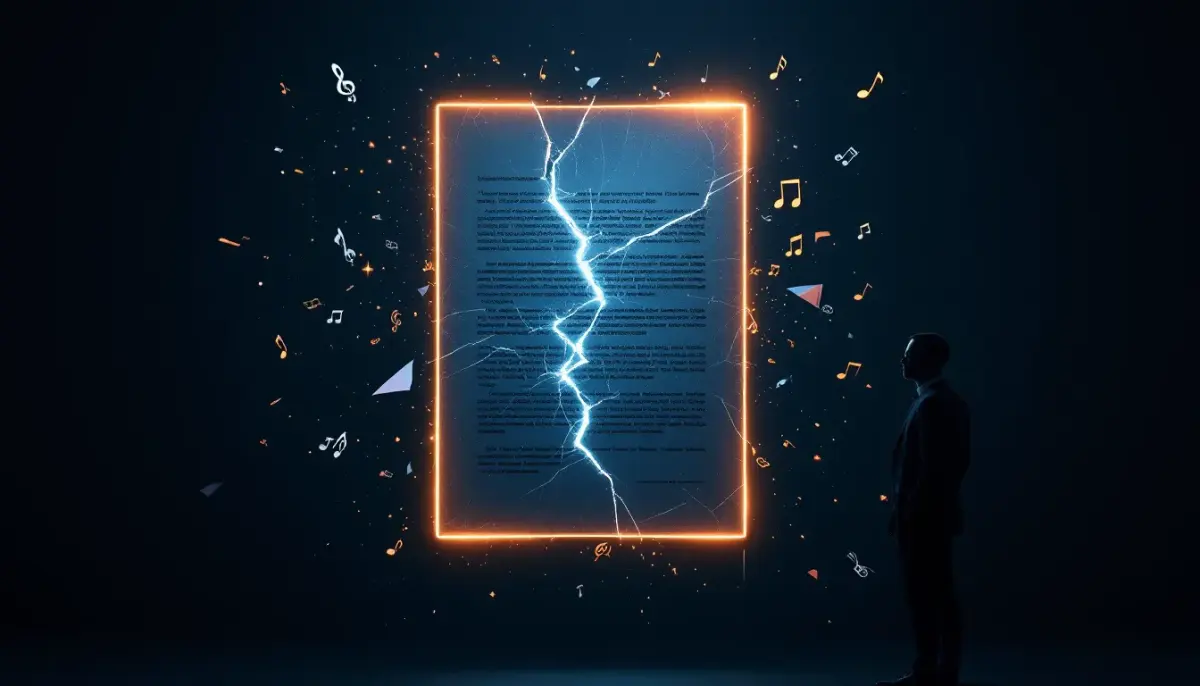
Picture one of your artists waking up to a wave of online abuse for something they never agreed to. Not a leaked track, not a bad interview. An ad. An ad they never signed off on, running under their name, telling the world they endorse the exact technology their fans hate most.
That is what happened to Mary J. Blige. And if you manage talent, run a label, or handle rights, this is the version of the AI fight that lands closest to home. It is not abstract training data. It is a legend's face, edited to sell a product she never approved.
Late last month, Suno circulated an 85-second video in which Blige appears in a studio, watching a producer build an AI-generated track called "Pretty Flowers" that sounds a lot like her classic work. She asks for strings, then a beat, and calls the process "amazing" and "dope," as Variety reported. The catch: she never approved the ad, and the person who cut the deal with Suno did not have the authority to do so.
The backlash was immediate and ugly. Blige took the hits, not Suno. Then the company pulled the ad, and its explanation was the real jaw-dropper.
What Suno actually said
"We entered into a business deal with someone who presented themselves as Ms. Blige's official representative," a Suno spokesperson told Variety. "As soon as we learned this was not the case, and that Ms. Blige was uncomfortable, we terminated the advertising campaign."
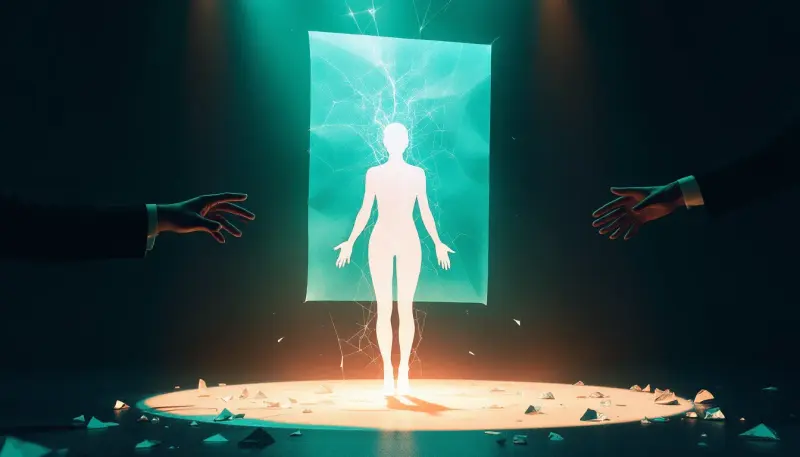
Read that again. Suno is admitting it ran an endorsement ad based on a deal with someone who, it says, it later learned was not Blige's official representative. As Music Ally noted, the clip itself is not fake. Blige really did sit in a studio, was shown Suno, and offered her views on camera. Someone who was not her official rep made that happen. The obvious question, still unanswered, is how.
And here is the part that should bother you most. Per Digital Music News, Suno pulled the ad not because of the backlash, but because the deal was never authorized. The abuse Blige absorbed was, by the company's own account, incidental. The governance failure came first. The harm to the artist came second. The fix came only after both.
Why the editing matters
Both Variety and Digital Music News flag the same problem: the ad is cut so it is unclear what Blige is actually reacting to when she says "amazing" and "dope." A shorter, even more heavily edited version circulated online too, and it is not clear whether Suno made that one or a random user pieced it together, according to Variety.
That ambiguity is the whole game. Right-of-publicity law is built on the idea that a person controls how their identity is used to sell things. An endorsement stitched together from out-of-context reactions is exactly the kind of use those laws exist to stop. This is not a copyright question about training data. It is a consent question about likeness, and it drops the AI fight squarely into advertising ethics territory.
The timing could not be worse for Suno
This landed on a company already fighting on every front. Suno has struck licensing deals with Warner and, recently, BMG, but it is still in active litigation with Universal and Sony over unauthorized use of copyrighted works, per Variety. Last month a German court found it violated U.S. and German copyright laws, according to Variety. And this week, Grammy winner Jason Isbell and others filed a proposed class action claiming Suno lets users generate tracks based on artists' identities without consent, as Digital Music News reported.
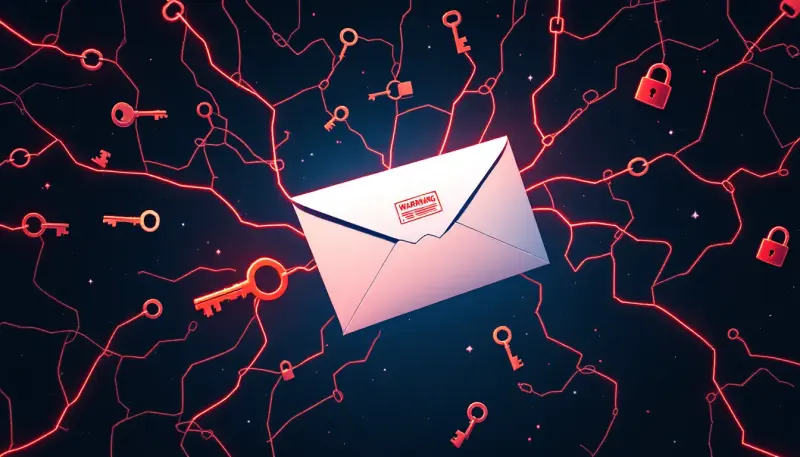
A pattern emerges. The lawsuits are about copyright. The Blige incident is about something the lawsuits have not fully reached: the right to control your own image.
What this means for your roster
The lesson for managers and labels is uncomfortable but simple. Suno's defense was that it got fooled by a fake rep. Whether or not you buy that, it means an AI company deployed a star's likeness in an ad based on a deal it says it never verified. If that can happen to Mary J. Blige, it can happen to anyone you represent.
Tighten who can speak for your artists in writing. Lock down likeness clauses. Assume any studio visit could be filmed and repurposed. And understand that when an AI platform's governance fails, the artist eats the abuse first and the apology arrives last.
Suno wanted to work with an icon. Instead it showed the entire industry how little stands between a legend's face and an ad she never agreed to.
Related: Celine Dion's Paris Comeback Just Answered the Question Every Booker Was Afraid to Ask
Related: Cheetah Chrome Is Gone, and the Punk Anniversary Machine Just Lost an Architect
Related: Venue Owners Just Vetoed a Touring Act Over Politics. Robert Kraft Showed How Easy It Is.
Sources
The Newsletter
The music business, decoded.
Join industry professionals who read our briefing on deals, royalties, and the business behind the music. No noise, no spam.