
Glastonbury 2027 Sold Out in 42 Minutes. That Should Worry You More Than It Thrills You.
Glastonbury 2027 vanished in 42 minutes on Sunday. For anyone working in live, a sellout this fast is a signal worth sitting with.
· 3 min read
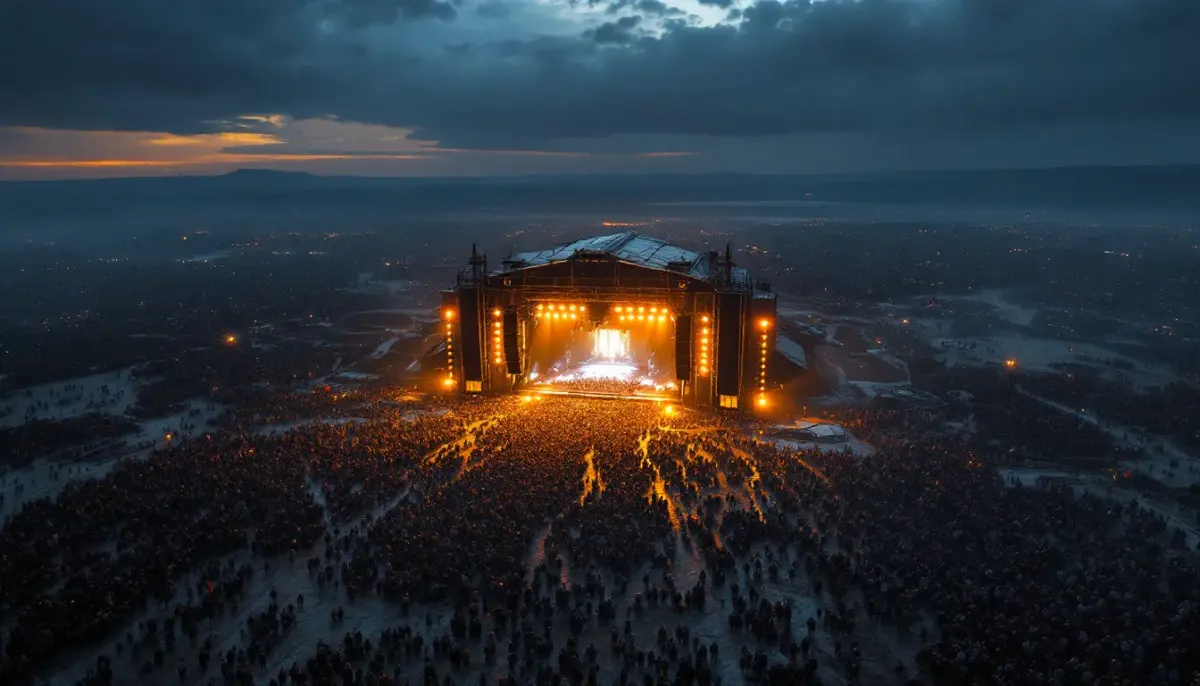
If you book festivals, manage touring acts, or watch the live business for a living, the clock on Sunday morning should sit with you more than it thrills you. Forty-two minutes. That is how long it took for one of the most logistically demanding, infrastructure-heavy ticket sales in the world to vanish completely.
That is not really a demand story you can celebrate. That is scarcity dressed up as a success.
Tickets for Glastonbury Festival 2027 went on sale at 9am on Sunday October 4, and by 9:42am the entire allocation was gone. See Tickets confirmed the sellout on X, as NME reported, thanking buyers and apologizing to those who missed out. This was the first Glastonbury since 2025, with huge numbers of hopeful festivalgoers piling into the virtual queue for a shot at Worthy Farm.
Here is the part the celebratory headlines skip. A sale that fast is not proof the system is comfortable. It is proof the system is operating at the absolute edge of what it can control. Every minute shaved off the sale is a minute where legitimate buyers are competing for a shrinking pool of spots, and plenty of them walk away with nothing.
When a sale compresses into under an hour, the problem is no longer execution. The problem is that demand has structurally outrun supply. You cannot engineer your way out of that with a better queue.

Why a clean sellout is a dirty signal
A 42-minute sellout is not a victory lap. It is a scarcity event. The reactions NME collected tell the whole story: joy from the lucky, frustration from everyone else. See Tickets said as much in its own message, with the line "sorry to those who missed out" doing a lot of quiet work.
So you have one of the most watched ticket sales in the world, and it still produces a scarcity event in less time than it takes to make coffee. That is the uncomfortable lesson: process and timing shape the experience, but they do not change the underlying math.
What this means if you work in live
If you run a smaller festival, pay attention to the shape of this. Permanent excess demand is not a Glastonbury quirk. It is the water the whole live business is swimming in right now, and a sale this fast is the clearest signal of it you will see all year.
If you manage artists, treat this as a capacity conversation as much as a ticketing one. When a single sale window clears in 42 minutes, every assumption about how much runway you have to sell is wrong. The runway is shorter than you think. Plan your on-sales, your communications, and your fan expectations around that reality, not around a leisurely sell-through you no longer get.

And if you are tempted to read 42 minutes as pure good news, be honest about the other side. A sellout that fast means the festival is comfortably priced at face value, and that is not nothing. Fans who got in got a genuine deal. Free money is free money, and a clean on-sale that ends with confirmation emails going out is a better outcome than most. There is a real success buried in here.
The trouble is that a success this fast no longer feels calm. It produces a 42-minute stampede and a wave of frustration from everyone who refreshed the queue and came up empty.
Glastonbury didn't just sell out its festival on Sunday. It showed the whole live business, in 42 minutes, exactly how little slack is left in the system.
Sources
The Newsletter
The music business, decoded.
Join industry professionals who read our briefing on deals, royalties, and the business behind the music. No noise, no spam.