
CD Sales Just Grew Seven Times Faster Than Vinyl. Rethink Your Physical Strategy.
H1 2026 US data shows CDs up 16% versus vinyl's 2.4%. Here's what that means for label spend and artist bundles heading into Q3.
· 3 min read

If you built your physical release strategy around vinyl, the first-half numbers just handed you a problem. And an opportunity.
For years the safe money in physical music went one direction: pressing plants, colored variants, gatefold sleeves, the whole vinyl-first playbook. That narrative dominated how labels and artists thought about physical revenue. The new data says the fastest-moving format is the one everybody wrote off a decade ago.
US CD sales surged 16 per cent in the first half of 2026, according to NME, citing entertainment data firm Luminate's 2026 Midyear Report. That is nearly seven times the pace of vinyl, which grew a comparatively flat 2.4 per cent over the same window.
The raw figures: 16.3 million CDs sold between January and the end of June. Vinyl still moved more units, 21.8 million albums, so records remain the bigger format by volume. Cassettes chipped in around 205,000. Combined, physical formats rose 7.8 per cent to roughly 38.2 million units.
But growth is where you make decisions, not size. And on growth, CDs are running away from the pack.
Where the CD growth is coming from
Two words from the Luminate report you should internalize: "collection building" and "price accessibility." Translated, younger buyers are treating CDs as cheap collectible objects, not as a way to actually play music. NME noted that roughly half of Gen Z and millennial CD buyers do not even own a CD player.
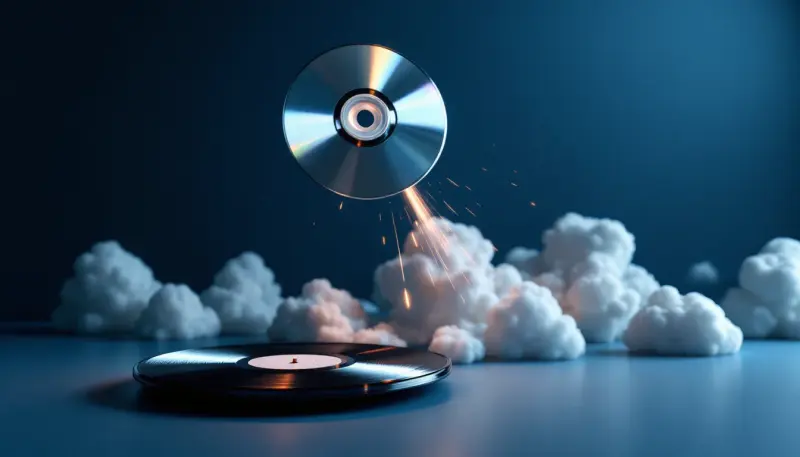
Read that again. Half the people buying the disc cannot spin the disc. That is not a listening format anymore. That is merch that happens to contain audio.
K-pop is a big part of the story. A strong release schedule plus BTS' comeback album 'ARIRANG' drove huge physical numbers. Per NME, ARIRANG sold 516,000 physical copies in its US opening week, including 208,000 vinyl copies, the biggest weekly vinyl total for a group since Luminate began electronically tracking sales in 1991.
The K-pop machine is built for this. Albums ship in multiple versions with exclusive photocards, posters, and books, which nudges fans to buy several copies of the same release. That is the collection-building flywheel operating at scale.
Here is the part that should stop you from dismissing this as a BTS blip. Strip out all K-pop sales entirely, and US CD purchases were still up 6.7 per cent year over year, Luminate found. The floor is rising even without the biggest driver.
What this means for your physical spend
The uncomfortable truth for anyone who over-indexed on vinyl: your fastest-growing physical revenue line is also your cheapest to manufacture. CDs cost a fraction of a vinyl pressing, ship lighter, and do not sit on a months-long plant backlog. The margin math on a CD variant is friendlier than a colored-vinyl variant, and the growth curve is steeper.
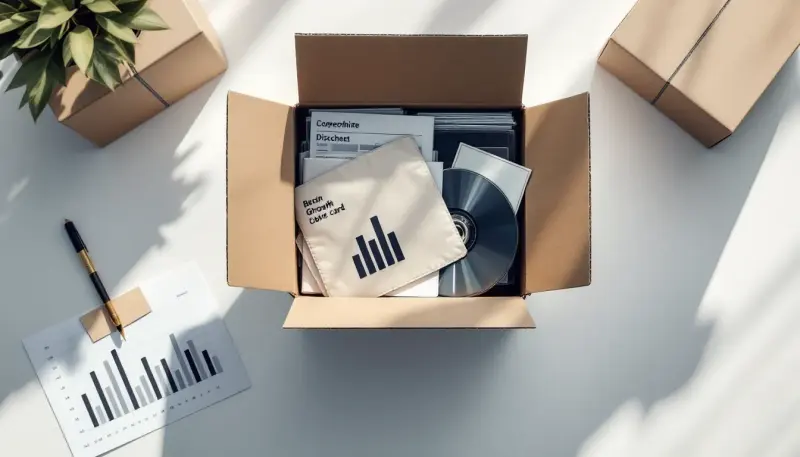
That reframes the artist bundle conversation heading into Q3. If a meaningful share of buyers never play the disc, the physical object is competing as merchandise against a t-shirt or a poster, not against a Spotify subscription. Design accordingly. Photocards, inserts, alternate covers, numbered runs. The K-pop template works because it treats the CD as a collectible with variety, not a single SKU.
None of this means abandon vinyl. Records still move more units and still command higher price points and prestige. But if you are allocating a physical budget for the back half of the year, the data argues for a serious CD line, priced as an accessible entry point and packaged as a collectible, rather than an afterthought behind the vinyl variant.
The streaming caveat
One thing this is not: a return to physical as your primary revenue engine. The physical resurgence is happening alongside streaming growth, not instead of it. US on-demand audio streams rose 4.8 per cent to 732.7 billion in the first half, per NME, while global streams climbed 9.8 per cent to 2.8 trillion.
So the picture is additive. Fans stream the music and buy the object. That is the behavior to design for: cheap, collectible physical product that rides on top of streaming demand rather than trying to convert away from it.
The vinyl comeback was a real story. It just stopped being the only story. The disc your label warehouse has been trying to clear for a decade is now the format growing fastest, at the lowest cost, among the youngest buyers. If your Q3 plan does not have a CD in it, that is a decision you are making by accident.
Related: Warner Music Just Lost Its CFO and Has No Replacement Ready
Related: Boy George Just Fired His Label Manager for Vetoing an AI Song. Every Indie Should Take Notes.
Sources
The Newsletter
The music business, decoded.
Join industry professionals who read our briefing on deals, royalties, and the business behind the music. No noise, no spam.