UMG Leans on DistroKid to Yank Indie Tracks, and Artists Got Zero Notice
DistroKid pulled indie tracks on UMG's say-so and didn't tell the artists. The DIY distribution model's power imbalance just got exposed.
· 4 min read
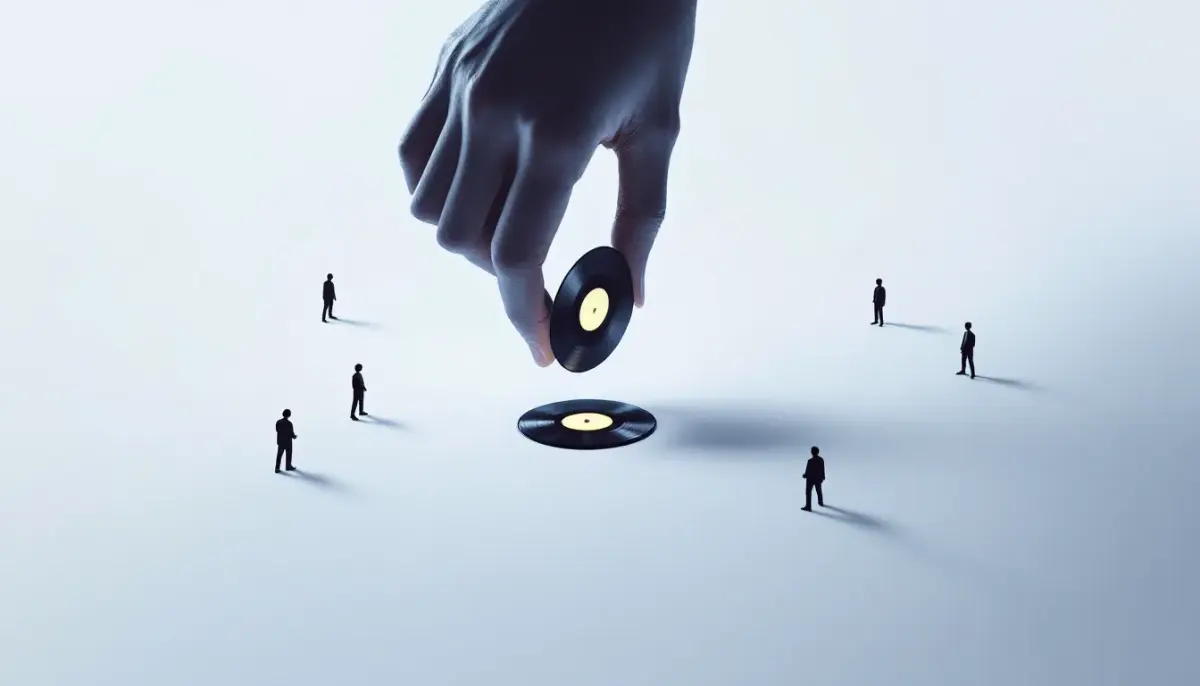
Imagine waking up to find six of your songs gone from streaming services. No email. No copyright strike. No warning. You go hunting for an answer and end up arguing with a chatbot before a human will even tell you why your catalog vanished.
That is roughly what happened to a group of independent artists this month, and it should scare anyone who trusts an aggregator to keep their music live.
DistroKid, the distributor millions of indie artists use to get songs onto Spotify, Apple, and the rest, has confirmed it removed a batch of recordings in response to claims from Universal Music Group. That confirmation came via The Verge, which The Verge reported on October 10 after artists started posting about disappeared tracks. Music Business Worldwide MBW picked up the confirmation two days later.
Here is the part that matters. The real story is not a routine takedown. Takedowns happen every day. The story is the chain of command: a major label makes a claim, the aggregator complies, and the artist finds out from their own empty Spotify page. At no point in that sequence does anyone owe the artist an explanation. That is the structural problem.
What actually happened
The removals trace back to UMG's lawsuit against DistroKid, filed September 15 in the US District Court for the District of Delaware. We covered the suit itself when it landed, and the core allegation is that DistroKid is flooding platforms with that siphons revenue from legitimate rightsholders, per the complaint cited by MBW.
DistroKid says it disputes the allegations. "A very small number of recordings distributed through DistroKid have been removed in response to claims made by UMG," Amanda Ferri, the company's VP of Artist Services, told The Verge. "We strongly dispute the allegations underlying UMG's lawsuit and regret the disruption to affected artists."
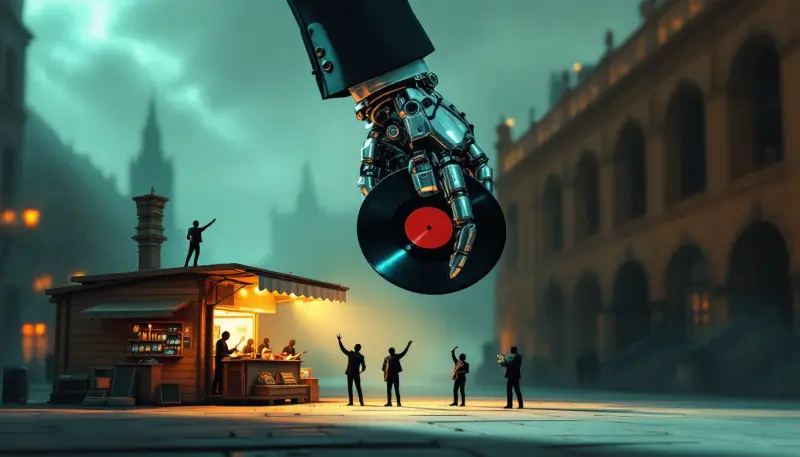
Fine. But "regret the disruption" does not cover the part where some of this music was not AI at all.
The artists say the takedowns were wrong
Musician McGwire told The Verge that six of his songs were pulled, and that DistroKid contacted him neither before nor after. He had to chase the company himself, and had to get through what he called a "lengthy circular conversation" with a bot before reaching a human.
His examples, as reported by The Verge, are the tell. One removed track was a cover of Stevie Wonder's "Isn't She Lovely" that he says he licensed. Another was built on a beat he bought on a marketplace, one also licensed to other artists. A third was pulled over an alleged uncleared sample of a song that, McGwire says, came out two years after his own track. That is not an infringement timeline. That is an impossibility.
Rapper Insane Ian posted on X that he "had an original song taken down with no warning, and they wouldn't tell [him] why either." Rapper King Chase said an entire album by an artist he was working with was removed with no notice and no reason given. "The album had been up for 3 to 4 years without incident," King Chase said, with "no copyright strikes or anything either."
MBW notes it has not independently verified the rights status of these recordings, or whether these specific removals were among those tied to UMG's claims. Worth keeping in mind. But the pattern is consistent, and it points at a process that does not stop to check.
Read the agreement you signed
This is where indie artists need to look up from the news and read their contracts. DistroKid's distribution agreement reserves the right to remove a recording "if we receive any legal claims regarding the particular Recording(s)." Any legal claims. Not proven claims. Not adjudicated claims. A claim is enough.
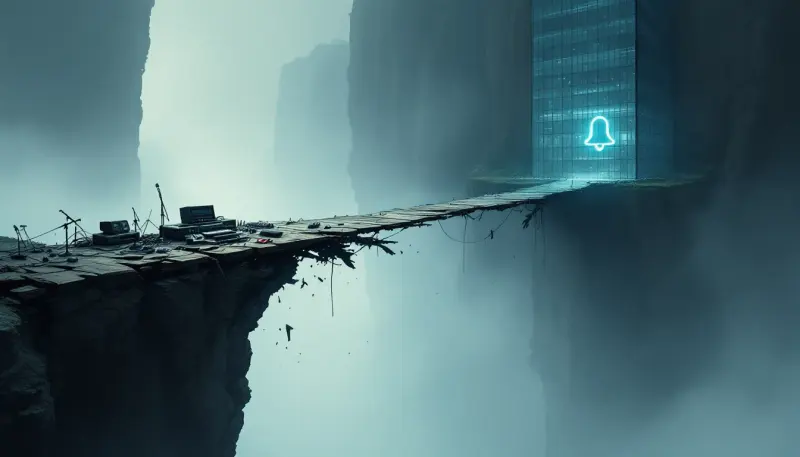
That clause is the whole game. When a major sends a claim, the aggregator's cheapest, safest move is to pull the track and let the artist sort it out afterward. The artist's recourse is a DMCA counter-notice, and even then, DistroKid's own guidance says it must wait 10 business days before reinstating anything. The same page warns that streaming services "may choose not to reinstate content" on their own terms, which are outside DistroKid's control.
So the burden sits entirely on the person with the least power, the least money, and the least legal firepower. The major makes the claim for free. The artist pays, in time and lost streams, to prove they were right all along.
Why this reaches past DistroKid
Let's be fair to UMG's underlying worry. AI slop is a real problem, and the company drew a line in a footnote: the suit "is not about the distribution of AI-generated music when clearly disclosed as such." The complaint also leans on rights conflicts flagged by the content-ID systems at YouTube, Meta, and TikTok. Those systems catch infringement. They also misfire constantly, as the takedown-at-scale era keeps proving.
The DIY distribution model sold indie artists on independence. What this episode reveals is that independence stops at the moment a major decides your music looks like a problem. You do not have to be guilty. You just have to be cheaper to delete than to defend.
Every artist who uploads through an aggregator is one claim away from finding that out. The question is whether they learn it now, or at 7 a.m. from a chatbot.
Sources
The Newsletter
The music business, decoded.
Join industry professionals who read our briefing on deals, royalties, and the business behind the music. No noise, no spam.