Live Nation Is Buying Latin America Promoter by Promoter, and the Clock Is Ticking on the Holdouts
Live Nation took majority stakes in two Latin promoters in under nine months. For independent operators at scale, the message is clear.
· 4 min read
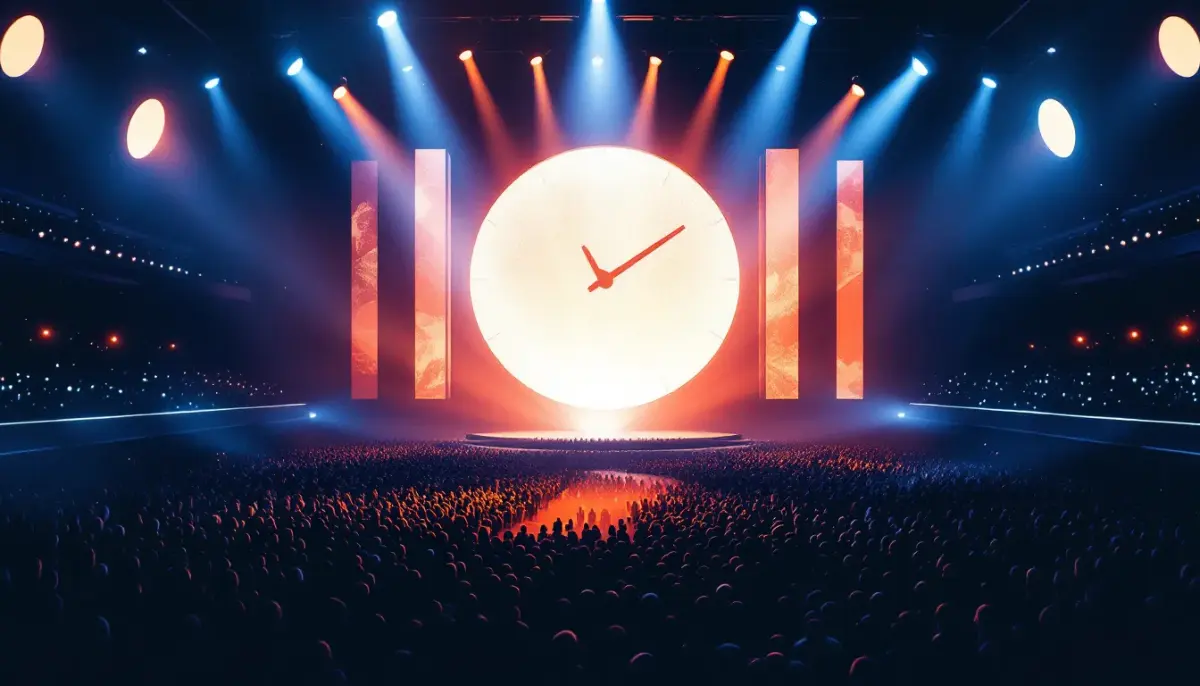
If you are an independent promoter running shows at scale anywhere in Latin America, you should read the news out of Chile this week as a countdown clock. The map of who owns the stages, the ticketing, and the local relationships in the world's fastest-growing live market is being redrawn in front of you, and it is not slowing down.
Here is the specific trigger. Live Nation has agreed to take a majority stake in Bizarro Chile, the concert promoter founded in 2008 by Alfredo Alonso, as Music Business Worldwide reported. The deal was announced on Friday, October 9. Live Nation did not disclose the value or the size of its stake, and the transaction still needs regulatory approval.
What matters is the pace. This lands less than nine months after Live Nation agreed to take a majority stake in Bizarro Peru. That is two majority acquisitions of Bizarro operations in under nine months, in two different countries. This is not opportunistic dealmaking. It is a build-out.
Alonso keeps running creative and strategic direction, Live Nation said, which is the standard template now. Found a promoter, sell the majority, stay on as the local brain. CEO Michael Rapino framed Chile as "one of the most dynamic music markets in Latin America, and a priority for Live Nation."
The structure tells you the strategy
Look at how Live Nation slots these pieces together. In Chile, the company already owns a majority of Santiago promoter DG Medios, acquired in December 2019 and founded by Carlos Geniso. Rapino called Bizarro a complement to that existing partnership. Instead of merging the two, Live Nation split the jobs: DG Medios keeps leading international live events, while Bizarro focuses on developing Latin artists and local content.
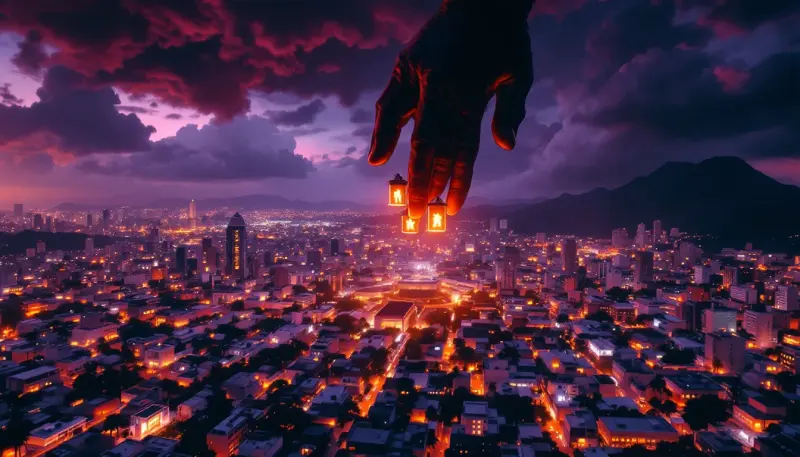
That is the exact division of labor Live Nation set up in Argentina in June, when it moved for a majority stake in Dale Play Live. There, its majority-owned DF Entertainment runs the international tours and Dale Play handles Spanish-language artists and local content. Rapino used nearly identical "complements our existing partnership" language both times. When a company copies and pastes its own press release across borders, you are watching a playbook, not a one-off.
Peru went a step further. Bizarro Peru and Live Nation's existing Lima team, led by Alberto Menacho, were folded into a single local organization. Chile keeps the two brands separate for now. Either way, the ownership flows one direction.
This has been building for almost a decade
The Bizarro Chile deal did not arrive in a vacuum, as Billboard laid out. Live Nation's regional strategy dates back nearly a decade and has accelerated since the pandemic, shifting from partnering with local promoters and venue operators to owning stakes in them.
The receipts stack up fast. Billboard noted the 2018 majority stake in Argentina's DF Entertainment, a 75% acquisition of Mexico's OCESA (including its Ticketmaster Mexico arm), a majority stake in Colombia's Páramo Presenta, a stake in the Dominican Republic's SD Concerts, and the Dale Play deal in Argentina. Add Bizarro Peru, Bizarro Chile, and a majority stake in Santiago's 15,000-capacity arena (the former Movistar Arena, relaunched as the Santander Arena on September 5), and a region-wide infrastructure grab comes into focus.
The logic is simple and it is about margins. Owning promoters and venues lets Live Nation control more of its operations and its costs, Billboard reported. OCESA is the proof of concept: its operations director Mario Villa Vera described translating Live Nation's know-how into "prepared venues, specialized teams and processes." That is corporate language for standardizing an entire continent's live business under one roof.
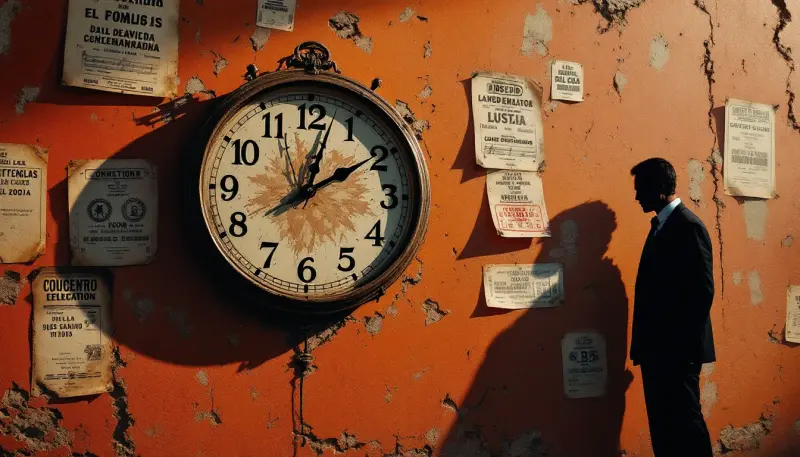
What this means if you are the one not selling
Give Live Nation its due. Big global tours still need local partners who understand each market, and the broader surge in Latin American demand is leaving room for more than one model. Free money and world-class touring access are real benefits for a founder like Alonso, who called the deal "a tremendous opportunity to enhance everything we have built."
But the ground is shifting under independents. "It's true that the expansion is complicating certain operations," Eduardo Basagaña of Argentina's EB Producciones told Billboard, pointing to the difficulty of securing dates in those venues and getting equitable terms. When your competitor owns the arena, the ticketing, and the local promoter you used to split risk with, you are negotiating from a weaker chair every year.
There is also a watchdog question lurking. The Bizarro structure is tangled: Bizarro was separated out of the company Live Nation bought into before the Santiago arena sale, per La Tercera, and Chile's National Economic Prosecutor's Office has already been circling the sector. Regulatory approval for the Bizarro Chile stake is not a formality.
Two majority stakes in nine months is not a shopping spree. It is a map being colored in. For the independent promoters still standing at scale, the choice Live Nation is quietly offering is the one it has offered in every market it has entered: ride the wave, or become part of the wave someone else is riding.
Sources
The Newsletter
The music business, decoded.
Join industry professionals who read our briefing on deals, royalties, and the business behind the music. No noise, no spam.